


Brussels, December 17, 2035
I have been asked by many to share my recipes for Christmas dinner this year given the darkness of festivites over the last few holiday seasons. The recent spending and consumption bans, supply restrictions and hyper-inflation have left a dark shadow on gift-giving and material expressions of joy, leaving a large amount of despair. This has been particularly felt within the younger generations that feel their futures have been stolen by capitalist greed, continued anxiety over climate collapse and wealth disparities.
Our Dark Dystopian Decade
The consumption restrictions during the holidays (no long trips or vacations, no unnecessary gifts and no overt and environmentally destructive celebrations) was exacerbated by the stifling food measures implemented since 2026. Then the movement of privileged moms charged with making the population healthy again had introduced a series of regulations that abolished food processing, use of colors, packaging and additives. But that was only their first step.
While it was understandable that people were eating too much and exercising too little, the authorities, facing a stubborn obesity crisis, reacted an even heavier hand in passing the Food Flavors Executive Order of 2028. The law stated that no foods should be allowed to have any flavors added other than what nature had placed in them. Given the success of removing flavors from e-cigarettes, nicotine pouches and tobacco products in reducing the number of vapers (while smoking mysteriously increased), it made perfect sense to regulators to try to reduce obesity by making food less attractive to eat.
As everything from salt to sugar was banned on health grounds, with most spices taken off the market, people had to become more creative once the hoards were depleted. Police interventions into black markets for spices and food additives pushed prices for flavor contrabands sky-high leaving the public needing to be more creative with how they could make food digestible. Trade and travel have all but dried up except for the privileged classes (the foundations, the activists and the other policymakers).
The food companies did nothing to defend their business model then, in part because of the high level of activism against industry and capitalism, and in part because of a naïve belief that each banned product would deliver a bigger opportunity for new food products. These innovations were never allowed on the market and many large food companies were forced to go out of business. Most wealthy investors and executives (and their wealth) went missing during The Looting of 2030.
The food industry had a further rude awakening learning that they could not exist without a viable food supply. They had ignored farmers for far too long. When conventional farming was prohibited in the late 20s, organic farming also collapsed as no one had realized how much they had benefitted from the widespread pest management. This had a profound negative effect on our ecosystems as large tracks of meadows and forests were cut down to try to grow food. Bee colonies collapsed from the lack of pollen large crops had provided.
The hardest change came in 2031 with the Humanitarian Executive Order that banned livestock farming. Meat had already become far too expensive for most consumers, but by banning livestock (on the grounds of widespread campaigns against cruelty, health consequences and CO2 emissions), diets had to radically adapt. By 2033, all meat packers had been shut down, herds liquidated and pasture land rewilded for climate mitigation purposes.
Protein deficiencies and related health and developmental issues have been on the increase. This year’s deathcount from the first influenza wave was considerably higher than in 2034-35, and far too many children, weakened by malnutrition, are dying from formerly preventable diseases like measles and whooping cough (pertussis). The vaccine researchers and manufacturers were all put out of business years ago (a de facto ban).
Life in 2035 was once again “solitary, poor, nasty, brutish and short”.
The last two years had become very difficult for those still wanting to maintain festive conditions (especially given the activist attacks on Christmas and consumerism). Food is the best tool we have to celebrate this holiday season so what do I recommend you serve your family during these dark days of MAHA over-extension? Here is a menu plan to combat the negativity as we close out 2035.
The Dinner Centerpiece
To lift our spirits out of the darkness, we need to go back to the dietary culture of the early 2020s, when food was not feared but part of a celebration (abundant and tasty). For 2035, I recommend pigeon as the centerpiece. Pet ownership was abolished in 2030 - cats and dogs were emitting an unsustainable amount of CO2 and, in any case, many of them were eaten in the early food inflation waves. Because of the lack of natural predators, pigeons have become quite numerous and easy to catch in parks and public spaces.
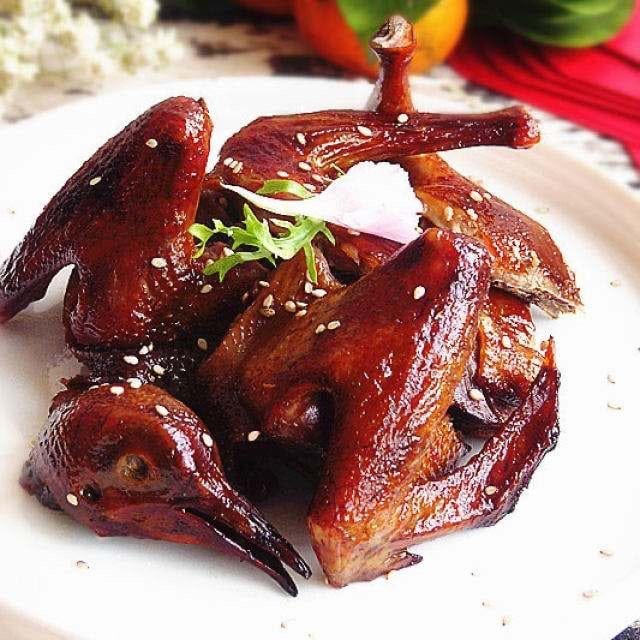
As chlorine was banned during the chemical cleansing of the late 2020s, your pigeon will need to be cleaned with boiling water and vinegar (where available). If you live near a coastal region, I recommend boiling the fowl in seawater to add a salty flavor. If you are in an area where walnut trees have not died due to Cankers Disease or blight, they serve as a good stuffing, mixed with any wild berries or grains you can find. As garlic is still legal, it should be used liberally in the preparation of the meat and stuffing. An advantage to pigeon is that cooking times are shorter. This is important in areas where electricity supply is intermittent and very expensive or where firewood is scarce.
With the banning of pesticides and seed technologies, potatoes have become quite scarce following the Great Blight of 2032 (just as President RFK Jr began his second term). Turnips have proven quite resilient to blight and pests (as well as zucchini which adds a lovely Yuletide color to the table set). Trim the centerpiece with available succulents that can be found in public spaces. Leave the insects in them to elevate the protein levels and add a certain mixed texture.
Dessert
In the continuing fight against obesity, which seemed to have persevered despite the banning of sugars, vegetable oils and processed foods, it has proven challenging to provide a sweet, celebratory pièce de résistance. Your guests though will appreciate roasted chestnuts (where necrotrophic fungus has not destroyed parkland trees). Given that most apples will not make it to Christmas due to rot and worms, I suggest serving what is left as a sauce or dried preserves. If you can find some honey, mix it into the sauce. The natural sugars will add to the festivities as many today have not experienced an energy rush since the 20s.
As coffee has been banned (a known carcinogen and a risk to pregnant women), there are a number of wild flowers and herbs that can be prepared into a tea. If you can add some ginger into the brew, where available, it will counteract the bitterness. Be careful when serving homemade alcohol as contaminations have caused widespread illness and death.
You need to be careful not to be outwardly festive. Enjoying food and celebrating with consumeristic gestures, while not banned, have been frowned upon as an excess of past generations. Many suffering from climate anxiety or post-capitalist rage would find such unsustainable expressions of hope and joy to be very offensive.
As the activists, foundations and media will mark this holiday season, once again, with a reminder of how humans destroyed the environment and human health, we need to ensure that any outward, festive celebrations remain contained or enjoyed in private.
And in that downtrodden spirit, I would like wish everyone a Merry Christmas. May we wake up in the coming year and put an end to all of this dystopian madness. May we return to putting science, technology and innovation over dogma, grift and deceit.