


What would happen if the health zealot policies imposed against tobacco harm reduction strategies were to be applied to a greater addictive activity: food consumption? We would, for one thing, make far greater health advances and see important reductions in noncommunicable diseases. As a dogmatic health zealot, I am ready to take the lead in imposing this on our ignorant, addictive consumers.
Food is addictive by nature. The food industry deliberately makes food sweet, tasty, flavorful, attractive in presentation (via colors and packaging), aromas and textures. Because of this manipulation, consumers find pleasure in food, overeat, become obese and expose themselves to an enormous number of diseases like cancer, diabetes and cardiovascular diseases. As consumers easily become addicted to food and the pleasure of eating, and as they cannot be trusted to make good food decisions by themselves, others like myself need to step in and control how and what they eat.
Such interventions into food choices are based on the belief that all addictions are bad and must be prevented by those righteous enough to assume leadership and enforce their views on others. Such techniques have been used to prevent smokers from taking up reduced harm alternative nicotine strategies like vaping and nicotine pouches so its success against food addiction is, well, baked in.
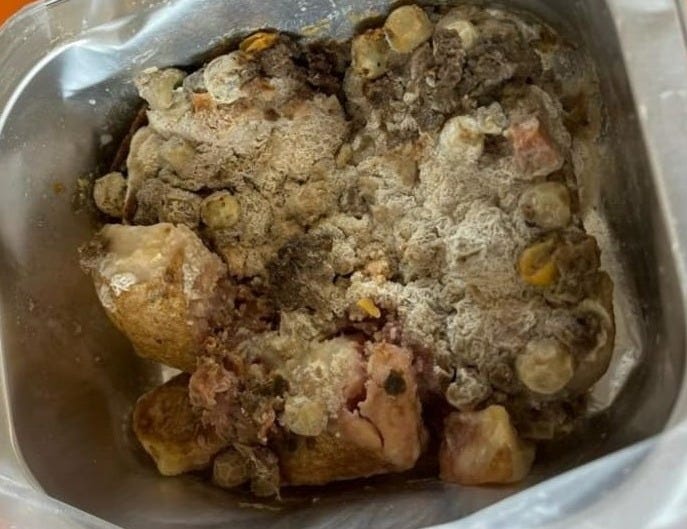
To this end, I am introducing a “Safe Food” concept restaurant that will prevent food addiction and promote healthy eating that is also better for the planet. The menu and restaurant will have the following features:
No Flavors
Bland, tasteless food prevents people from overeating. Our sustainable cuisine involves removing all spices, salt and sugars from the few plates on offer. It is hard to imagine people wanting to eat more flavorless foods than what is necessary for sustenance. This will contribute an enormous amount to fighting food addiction and improving public health. Banning food flavors will perhaps be the greatest health advance humanity has ever seen as it will immediately curb food consumption. We will focus this food revolution on the young, who will be less resistant to the removal of tasty food or long dining experiences (as they tend to see meals as interruptions in their gaming endeavors … another addiction we will soon have to address).
No Bright Colors
Food arranged in a pleasant or attractive presentation creates an emotional bond before the first bite is taken. Tests have shown that bright colors add to food addiction (not to mention the health risks from unnecessary food coloring). This is how children get hooked on bad food choices. All of our restaurant food will be dull, brown and unpleasant to look at. It will essentially be a consolidated mash. Our takeout food will be covered in plain packaging with no attractive logos or convenient wrapping.
No Aromas
Anyone who has walked by a Belgian frituur or waffle house on an empty stomach knows how smell influences how addictive food can be. Engineering food to smell nice contributes to making food attractive, so this practice will need to be regulated out. Our goal within the next five years is to move to food legislation towards ensuring they emit a repellent aroma (with soapy or stale notes) to ensure that people only eat when they have to.
No Textures
Part of the addictive attraction to food is the texture food may have in the mouth (as in crunchy vegetables, smooth creams, fatty meats and food that is warm to the tongue). This contributes nothing to the nutritional value of food but only makes it more pleasant to eat. Pleasant dining encourages food addiction. By banning all food textures, we will also reduce food waste, food preservation costs and energy use. Everything just gets thrown into the blender.
No Choices
Giving consumers choices increases consumption and encourages marketing techniques. These are the pillars of the industrial food system and cannot be tolerated in our post-capitalist world where degrowth and sustainable food chains are more important than consumers thinking they can get what they want at any expense to the planet. With fewer choices, people will eat less as the banality of the culinary experience will remove the addictive attraction of the joy trap. People will learn that it is better to eat to live rather than to live to eat.
No Comfort or Celebrations
There was a time when people would over-consume at a table with friends or family, eating and drinking for hours at a time. It usually involved a large roast or some other farmed livestock, where the cruelty of animal slaughter was actually celebrated. With our new, sustainable, healthy approach to food, the comfort of a meal as a feast will be replaced with the recognition of the selfishness of such abundance. People will learn to feel better when they eat better for the planet and their health. Our restaurant will have hard seats and small tables, but guests will be encouraged to stand while eating (to promote digestion and enable a faster customer turnover).
More Expensive
Based on the thought experiments performed by the good people at the True Cost of Food, our restaurants will double the price of food, first because we have been promoting a heavy taxation policy on food consumption and secondly, because the ability for the food chain to support the alimentary needs of a growing population without crop protection technologies means we needed to disincentivize certain food production methods and markets. While higher taxes on tobacco and alternative nicotine products have proven to be a dismal failure leading to increased black markets and gang violence, we believe that higher food taxes will be different. Certain foods will be taxed to the point of prohibition, leaving the healthier, more sustainable and less addictive foods to fill the void. Let them eat mash.
Postscript:
Our first Safe Food restaurant had to close almost immediately after opening as it appears no one was interested in eating our non-addictive selections. This was surprising because when we imposed these very same tactics on the vaping and smoking communities, the nicotine addicts just shrugged their shoulders and adjusted to the new situation (with many going back to smoking). We also received a lot of unwanted verbal abuse, which is sad because we see ourselves as very good people doing very good things to save humanity and the planet. In any case, we will not relent. We are presently seeking funding from several billionaire philanthropists to re-open on a larger scale. There is this former New York mayor with emotional baggage about past food fights that seems quite interested.
Excellent and very accurate analogy. Zealous tobacco controllers will counter by saying "you can live without nicotine but you cannot live without food". True, but the same dismissal from puritans would come about every single pleasure from every substance/habit except those crudely essential for survival: eating/drinking water, breathing and species reproduction. Reduction of all human experiences to the naked crude basics of survival and longevity requires a massive dictatorship. Normally our health puritans apply it selectively, only to nicotine. But this apparent restraint is not because they want to spare other substances, it is simply because they lack the political power to treat alcohol and caffeine as nicotine. In the end, health puritans are just a holly priesthood that operates when the political powers allows them (or tolerates it). The puritans know that they would rapidly loose the support of high ranking politicians who love to drink wine and whisky. They also know that political elites no longer smoke and have been convinced by puritans that vapes/pouches are just cigarettes Version 2.0.
Sometimes I worry you're giving people ideas :)