


When I worked at the European Chemical Industry Council (Cefic), there was a widely understood code of conduct guiding how industries and companies should behave toward each other. Enshrined in what was then called the “morning prayer”, cited before each meeting, one rule was to respect the competition. Unfortunately, the copper industry has recently shown no respect for other industries or basic codes of ethical conduct.
A recent campaign by the UK-based Copper Sustainability Partnership (CuSP) chose not to advance trust in the industry’s products by stressing the sustainability of copper but rather attacked what they perceived to be the unsustainability of competitive alternatives. Worse, the Copper Sustainability Partnership relied on cheap activist-style fear campaigns to make consumers distrust alternative products. And worst of all, they built their campaign on poor scientific research while hiding similar, if not worse risks from copper. Citing activist journalist reports is not science.
An Awful Campaign
The copper industry campaign asks if you would trust plastic with your planet. The cover image focuses on a child (emotional image) standing in front of a dark pile of trash (emotional image) with text written in scaremonger font (emotional image).

The message is clear. The copper industry wants you to believe that plastic is not a sustainable product and by exclusion, that copper is better.
Other images the copper industry used include those of bees struggling to get pollen in dark, dystopian settings suggesting that bees and other pollinators are contaminated with microplastics. This is a very common activist tactic to amplify fear but it is disheartening to see such abysmal conduct from an industry trade group. While the campaign does not focus directly on pollinator health, it cites a study led by Simon Potts, a British activist scientist who was once busy claiming pesticides were killing all of the bees (until, apparently, they weren’t).
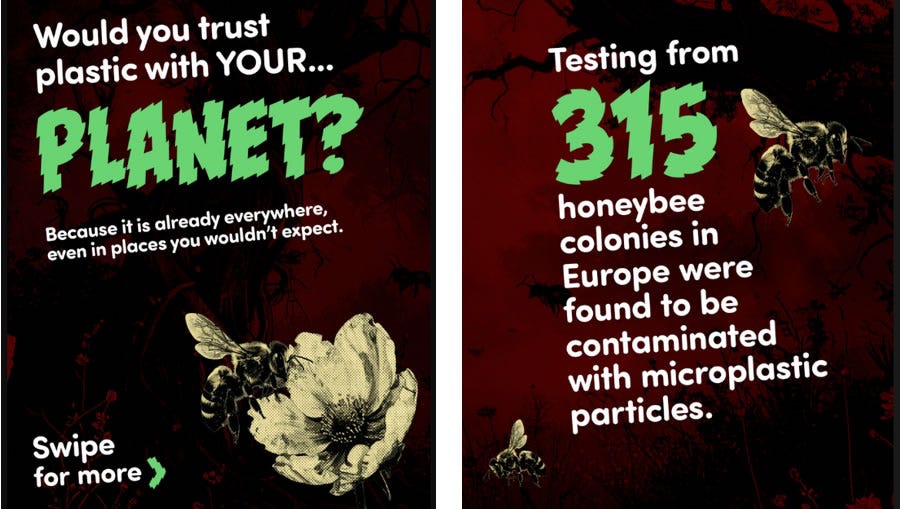
Bees are the environmental equivalent of using children in activist health campaigns. Both are deemed vulnerable, essential and emotional. Bees and children’s issues go beyond facts and measurable dose-related data, making them perfect for fear campaigns. The bee campaign tactic started with the sudden die off of honeybees some 15 years ago that activists then linked to exposure to certain insecticides (it was later concluded that any die off was due to several cold winters and the Varroa mite). When honeybee populations started thriving again, the anti-pesticides campaign simply shifted to risks to pollinators in general and certain wild bees under pressure. The beauty here is that we have very limited data on certain pollinators so activists can adopt them in any campaign they want.
The copper industry then used another activist technique of stacking campaign issues, amplifying the fear of a beepocalypse with the widespread detection of microplastics in the environment. But they are a bit late to the scare party as The Firebreak reported, most research papers on microplastics, according to the European Food Safety Authority, have been determined as junk. A recent study has concluded that the microplastics detected in many of these studies more likely came from gloves and lab equipment than from the samples tested. But still, the copper industry persevered with their claims.
What is most stunning here is the blatant hypocrisy of the copper industry for even raising these fears. Chris DeArmitt, in a LinkedIn discussion, reminded the copper trade association that dust from copper pipes is far more toxic to the environment, humans or bees than any possible microplastics could ever be.
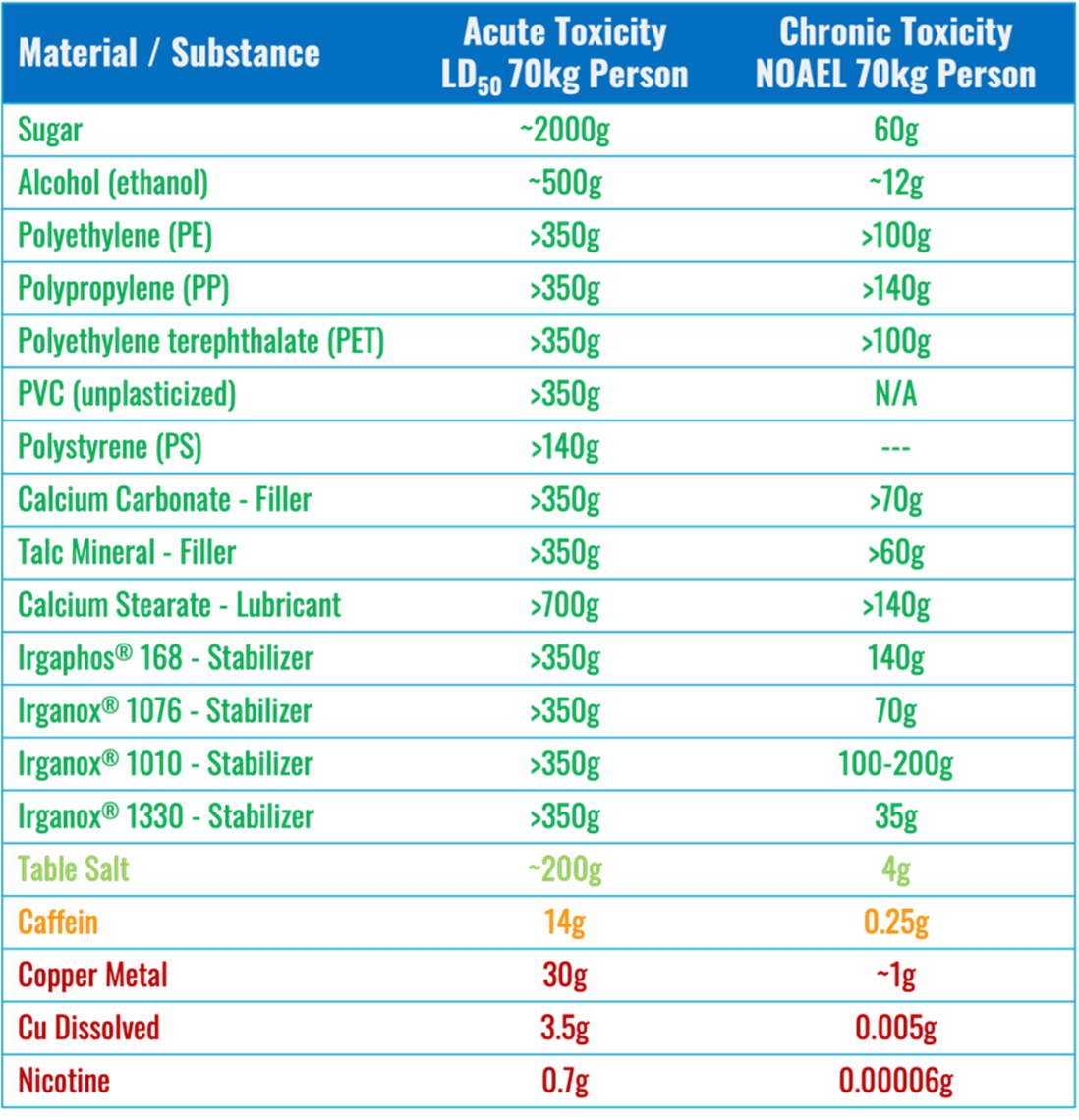
Confronted with facts, like any NGO, the belligerents merely changed the subject.
The key motivation of the copper industry’s anti-plastics campaign is to show how plastic water pipes are unsustainable (especially when compared to copper pipes). This is an important question at the moment given the US legislation to replace all remaining lead water pipes. The US Congress created a $15 billion opportunity for whichever pipe material is determined by regional authorities to be more favorable. Plastic water pipes are far cheaper, more efficient and easier to install than steel or copper pipes, so it comes across as an act of desperation for the copper industry to wage an intensive mudslinging campaign against the safety and sustainability of plastics.
There is a deeper concern here. One of the key activist groups in the water pipe debate is Beyond Plastics, a feral group that has been leading a campaign against PVC water pipes. The Firebreak revealed how Beyond Plastics is a phantom NGO. It does not exist as a legitimate organization but is only a “project” run by a fiscal sponsor (Bennington College in Vermont). This means not only that these anti-plastic activists cannot be held accountable for the claims they make against plastics, but also, that they do not have to declare who is funding them (since they don’t, technically, exist outside of some passive liberal arts college). Given how ethically compromised the copper industry has revealed themselves to be through their direct attack on plastics, it would come as no surprise if they were also funding this rogue NGO to run campaigns against their competitors.
The Beyond Plastics 2023 report: The Perils of PVC Plastic Pipes advocated for copper pipes in the replacement of lead water pipes.
It’s All About Trust
Nobody wins when two industries openly fight with each other. The public does not calmly examine the facts and determine which product is better. They see the confrontations, focus on the negatives and pull away. When activist NGOs attack industry, the public, to a certain degree, accepts that the NGOs are expressing a bias and filter their claims. When one industry attacks another, like the copper industry has, then this has a greater impact on the loss of trust, not just on plastics, but on all of industry. This is why there is a code of conduct within most industries to always present a positive position on the benefits of their products and not get into the mud with competitors.
What has the copper industry achieved with their campaign? They claim they just want to create an open discussion about the sustainability of the products, but using fear-triggering language and images is hardly beneficial to any open discussion. The Copper Sustainability Partnership have reinforced several activist campaigns against plastics (and the NGOs surely thank them), but the audience has not turned around to trust the metals industry. Environmentalists, seeing the ecological impact of copper mining and production, will not become the copper industry’s new best friend. Who are they kidding? The only thing they achieved is a further erosion of public trust in all industries.
Would public procurement officers deciding on pipe infrastructure projects look at the risk of microplastics to bees and then choose copper over plastic? One quick look at price and installation costs of both products would put that question to rest. They will endure the protests of the anti-plastics organizations, even with the apparent support of the copper industry.
Several years ago, I wrote a series called the Industry Complex, where I implored that industries need to work together against the activist onslaught against business, capitalism and innovation. As an industry is being devoured by hungry lions, too often other industries continue grazing, business as usual, oblivious to the fact that tomorrow they will be the slowest zebra. This is not a sustainable business strategy. But the copper industry, by throwing a competitor to the activist lions, is taking the industry strategy to a much darker place. Shouldn’t wider business associations speak up and enforce basic ethical standards or codes of conduct (or throw them out)?
The copper industry needs to apologize, immediately cease this destructive activist campaign and start to behave ethically.